Damnatio Memoriae
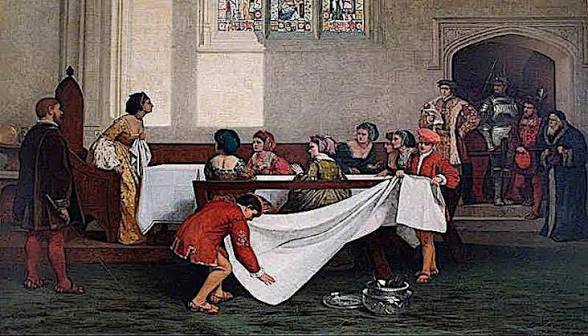
Damnatio memoriae means “condemnation of memory". It refers to the ancient Roman practice of deliberately erasing a person from official history, public records, and visual culture after their death or political disgrace.
How it worked in Ancient Rome:
Official Erasing: The Roman Senate would declare a condemned leader an enemy of the state.
Destruction of Imagery: Statues and portraits of the individual were either smashed, defaced, or reworked to look like someone else.
Name Removal: The person's name was aggressively chiseled off stone inscriptions, monuments, and official documents.
Targeted Figures: Famous Roman emperors and figures who were subjected to this include Nero, Domitian, Caligula, and Geta.
The practice was accepted as a powerful political tool and a form of post-mortem punishment. The Senate or a succeeding emperor used it to officially erase the legacy of disgraced figures—such as tyrants or traitors—by destroying their statues, renaming public monuments, and striking their names from historical records.
While the specific term is rooted in Roman history, the concept of rewriting history to "cancel" discredited figures is universal. Modern examples include the tearing down of statues, striking disgraced politicians from public records, and scrubbing prominent figures from history books or official media.
The same thing unfortunately happened to Anne Boleyn, 2nd wife of the English king Henry VIII. Following her execution in 1536, Henry VIII subjected Anne Boleyn to a Tudor-style damnatio memoriae. He ordered the systematic destruction of her portraits, removed her heraldic badges and initials from his palaces, and strove to completely erase her name and memory from the historical record.
Destruction of Imagery: Portraits of Anne were aggressively destroyed or altered. In many cases, painters were ordered to paint over her features to turn the portraits into images of his next wife, Jane Seymour.
Iconography: Her famous heraldic badge, the crowned falcon holding a scepter, was chiseled away from palace ceilings and walls. Only a handful of these carvings survived.
Court Records: The King sought to remove every trace of her existence at court, heavily suppressing official trial documents in an attempt to make it appear she was never Queen.
Modern Impact:
Visual Void: This state-sponsored purge is the primary reason why it is so difficult for historians to determine what Anne Boleyn truly looked like. Very few contemporary depictions of her survive.
Historical Study: The forensic reconstruction of her imagery is still heavily hindered by this destruction, and modern Tudor research frequently studies how and why her image was actively suppressed.
Governments no longer legally sentence citizens or disgraced figures to be scrubbed from history. However, the social practice of erasing names, striking monuments, or refusing to speak about someone persists informally.
In Ancient Rome, the Senate would formally decree damnatio memoriae to destroy statues, melt coins, and make speaking a traitor’s name illegal. Today, this practice fundamentally violates modern principles of democracy, human rights, and freedom of expression. Specifically, it clashes with:
Democratic Accountability: Societies generally agree that the past—including the mistakes and atrocities committed by leaders—must be documented to avoid repeating history.
Freedom of the Press/Speech: The government cannot legally mandate the erasure of public records or prevent individuals from researching and discussing historical figures.
While you can't get a legal mandate to chisel a person out of existence, modern societies still engage in "memory sanctions" informally:
Statue Removals: Removing or relocating monuments (e.g., pulling down Soviet statues or Confederate monuments) operates in a similar cultural space.
Renaming Places: Stripping a disgraced leader's name from streets and public squares."Cancel Culture" & Boycotts: Modern public censure, removing someone from media, or refusing to say the name of a perpetrator (often used to deny mass shooters the infamy they seek) mirrors the social isolation of damnatio memoriae.
Authoritarian Erasure: Totalitarian regimes (such as the former Soviet Union or North Korea) occasionally still airbrush disgraced politicians from official photographs and state-run history.
Historically, carving someone's name out of stone or painting over a portrait was physically effective. Today, trying to scrub someone from history is nearly impossible. Once information enters the global digital ecosystem, it becomes a decentralized, indelible record.
"Quis nescit, primam esse historiae legem, ne quid falsi dicere audeat? Deinde ne quid veri non audeat?"
(Who does not know that history's first law is that it dare not say anything false? And next, that it dare not leave out anything true?)
— Cicero, De Oratore
Comments
No comments yet. Be the first to comment!