Adelphoe
Two extremes born from the same paternal love
When is one too strict and when too liberal?
This is a question that's been asked for more than two millennia.
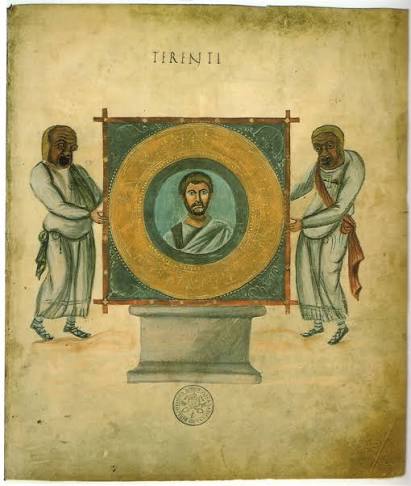
Ancient Rome hosted many playwrights and oratores, and one playwright stands out for his reflection on morals through his characters, typically parents and children, and his idea of humanitas. We remember his six plays for their unique elements: the break of the fourth wall and the duplex. I'm talking about none other than Terence.
His commedia “Adelphoe” is known to represent the two extremes of parenting. The story revolves around two brothers, Micione and Demea, and Demea’s sons, Eschino and Ctesifone. Eschino is under Micione’s, his uncle, care. This is the concept of duplex, Terence loves filling his stories with iconic duos. Micione is very liberal, never scolds his nephew (adopted son) while Demea is very strict with Ctesifone, who asks his brother to kidnap his lover, Bacchide, because he knows that Micione won't hold his accountable and Demea won't let him meet her. Eventually, Micione gets Eschino married to the girl he actually loved, Panfila, scolds Eschino. Demea finds out about the kidnapping and cannot accept the fact that the ideal golden boy, Ctesifone, could ever have someone kidnapped. Demea encourages Micione to reflect on his parenting style and gets him married to the widowed mother of Panfila, Sostrata.
Terence criticises both approaches. Eschino may have done right by his own brother but he hid his relationship with Panfila from his adoptive father. Ctesifone seemed perfect to his father but he got his own lover kidnapped by his brother.
Micione invites Demea to open his eyes, look at the reality without prejudice and realize that these were shenanigans that they themselves would have done in their youth and he shouldn't be an obstacle in his sons’ growth and let them make mistakes: that is the only way they will learn about the world.
This is a very modern approach to parenting, especially by a play written in 160 BCE. At Terence’s time, the role of pater familias was crucial for society. He had the lives of his family members in his hands, he could throw them out, kill them, let them live, make them his slaves, sell them, exclude them from his will (the men, obviously) or even order them to divorce their partner. Family members, especially women, were considered possessions. He had complete control. Patria potestas is a way to summarise his abilities: he, and only he, could decide for his children. He also had maritalis potestas: he could order his wife to do something and if she refuses, he could legally punish her. And if his children disobeyed him? Thanks to ius corrigendi (“right to correct”), he had the right to discipline their behaviour, resorting to physical violence.
Today, the family doesn't revolve around the parents, but the children. During a divorce, for example, the parents fight for custody of the children, or they quarrel over medical and academic choices. Normally, a judge focuses, not on what the parents can offer, but on the needs of the children, this is often called the “minors’ supreme interest”.
Patria potestas got replaced with parental responsibility in Italian law, which means that parents have more obligations towards their children, not powers. “Parental” highlights the equal importance of both parents, not just the father, in raising children. They are now finally legally and equal (though, socially, this can be debated).
Children have the right to be maintained, educated, taught correct morals, with their personalities and abilities in mind. This is interesting because the parents have to exercise their role respecting their children’s personalities.
We often read a father getting their kids married to people he chooses, in Terence's comedies. Arranged marriages were and are still very common in many cultures but forced marriages are punishable crimes in Italy. Whoever forces someone to marry through threats or violence can get jailed from one to three years, and If the victim is a minor, up to seven years. The Universal Declaration of Human Rights (UDHR) clearly states that a marriage can be concluded only with complete and liberal consent of both parties (art.16).
"Hoc patrium est, potius consuefacere filium sua sponte recte facere quam alieno metu."
(This is the duty of a father: to accustom a son to do right of his own accord rather than through fear of another.)
— Adelphoe, Micione, Act 1
Comments
No comments yet. Be the first to comment!